
The Future of Cinema Technology Explained
- Muhammad Hashim Nadeem
- Nov 17
- 4 min read

Cinema has always been a magical realm where stories come alive, transporting us to worlds beyond our imagination. But what if I told you that the magic is about to get even more spellbinding? The landscape of film is evolving at a breakneck pace, and advanced cinema technology is the engine driving this transformation. Together, let's embark on a journey through the innovations shaping the silver screen’s tomorrow.
Unlocking the Power of Advanced Cinema Technology
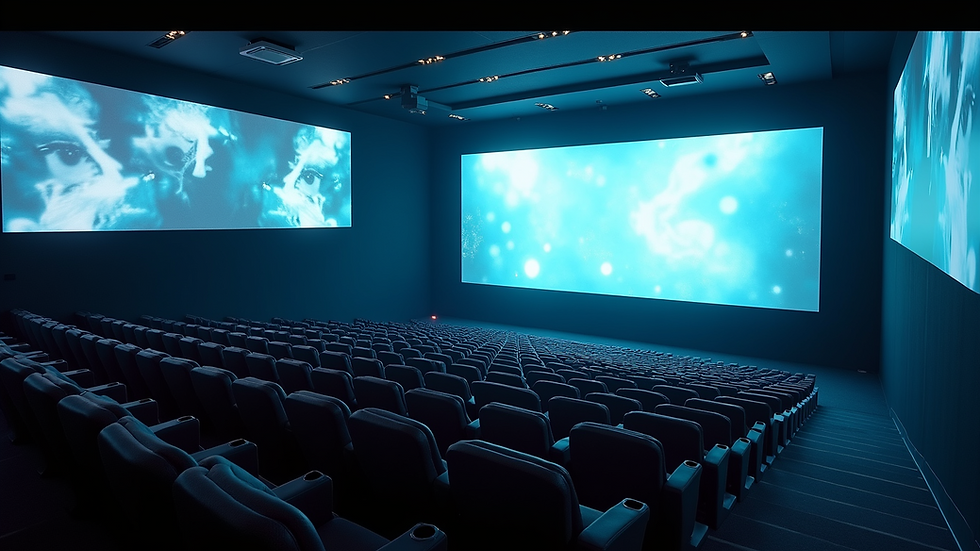
Imagine stepping into a theatre where every frame is sharper, every sound richer, and every emotion more palpable. That’s the promise of advanced cinema technology. From ultra-high-definition visuals to immersive audio systems, the tools filmmakers wield today are nothing short of revolutionary.
Take IMAX with Laser technology, for example. It’s not just about bigger screens; it’s about brighter, more vibrant colours and deeper contrasts that pull you into the story. The laser projection system delivers images with a clarity that feels almost tactile. And when paired with Dolby Atmos sound, the audio doesn’t just surround you - it moves around you, creating a three-dimensional soundscape that breathes life into every whisper and roar.
But it’s not just about the theatre experience. Filmmakers now have access to virtual production stages where LED walls replace green screens. This means actors can perform in front of dynamic, photorealistic backgrounds in real-time, blending physical and digital worlds seamlessly. The result? More authentic performances and breathtaking visuals that were once impossible or prohibitively expensive.

How Advanced Cinema Technology is Changing Filmmaking
The tools of the trade are evolving, and so is the craft itself. Advanced cinema technology is empowering creators to push boundaries and tell stories in ways that were once the stuff of dreams.
High frame rate (HFR) filming is one such innovation. By capturing footage at 48 or even 60 frames per second, films gain a fluidity and realism that traditional 24fps can’t match. This technique has been used in films like The Hobbit trilogy, offering a hyper-realistic viewing experience that some love and others debate. Regardless, it’s a powerful tool for filmmakers seeking to immerse audiences more deeply.
Then there’s AI-assisted editing and scriptwriting. Imagine having a digital assistant that can analyse your footage, suggest cuts, or even help generate dialogue and plot twists. This isn’t science fiction anymore. AI tools are becoming invaluable collaborators, helping creators refine their vision faster and with greater precision.
For aspiring filmmakers, this means the barrier to entry is lowering. You don’t need a massive studio or a fortune to experiment with cutting-edge techniques. With accessible software and hardware, the future of cinema technology is democratizing creativity.

The Rise of Immersive and Interactive Cinema
What if watching a film wasn’t a passive experience? What if we could step inside the story, influence its direction, or explore its world at our own pace? This is where immersive and interactive cinema comes into play.
Virtual reality (VR) and augmented reality (AR) are breaking the fourth wall. VR films place you inside the narrative, allowing you to look around and engage with the environment. AR, on the other hand, overlays digital elements onto the real world, blending fiction and reality in exciting ways.
Interactive storytelling platforms are also gaining traction. Think of films where you choose the protagonist’s path, altering the story’s outcome. Netflix’s Bandersnatch was a groundbreaking example, and it’s just the beginning. These experiences invite us to become co-creators, blurring the line between audience and artist.
For scriptwriters, this opens a new frontier. Crafting narratives that adapt to viewer choices requires fresh thinking and innovative structures. It’s storytelling reinvented for a digital age.
Sustainability and Green Technology in Cinema
As we marvel at these technological leaps, it’s crucial to consider their environmental impact. The film industry, like many others, is embracing sustainability through green technology.
From energy-efficient LED lighting on sets to digital distribution reducing physical media waste, the push for eco-friendly practices is gaining momentum. Studios are investing in carbon offset programs and sustainable production methods to lessen their footprint.
For creators passionate about the planet, this is a call to action. Incorporating sustainable practices isn’t just responsible; it’s becoming a hallmark of forward-thinking cinema.
What Lies Ahead for Cinema Lovers and Creators?
The horizon of film technology is dazzling. As we explore the future of cinema technology, it’s clear that the journey is just beginning. Imagine AI-generated scripts that adapt to audience feedback in real-time, or cinemas equipped with haptic seats that let you feel the action.
For those of us who live and breathe film, these innovations are more than gadgets - they’re new languages for storytelling. They invite us to dream bigger, create bolder, and connect deeper.
So, what’s next? Will we see holographic actors sharing the stage with live performers? Will neural interfaces let us experience stories directly in our minds? The possibilities are as vast as our imaginations.
Let’s stay curious, keep experimenting, and embrace the thrilling evolution of cinema. After all, the magic of movies lies not just in the stories told, but in the endless ways we find to tell them.


Comments